Category: Fitness & lifestyle

  • Build Grip Strength With Durable Battle Ropes For Conditioning

    You ever pick something up and realize—dang, my grip is weak? Yeah. Been there. I remember trying to carry two grocery bags in each hand, full-on Hercules mode, and after about 20 seconds… nope. Dropped one like a rookie. That’s when I realized I wasn’t as strong as I thought—at a minimum, not where it mattered.

    Enter battle ropes.

    Now, before you roll your eyes and picture someone furiously whipping ropes around in slow-motion gym videos—hear me out. These things are legit. Like, deceptively brutal. They’ll torch your entire body, sure—but they especially hammer your grip. And honestly, who doesn’t want grip strength that can open jars, deadlift PRs, and maybe even survive a surprise arm wrestling match?

    So, What’s So Special About Battle Ropes?

    You ever want a workout that leaves you sweaty, breathless, and thinking, “What just happened to my arms?” Those are battle ropes. You grab those thick, coiled beasts, and from the moment you start swinging—oh, it’s on.

    They don’t just look intense—they are intense. Whether it’s alternating waves, double slams, or spirals, you’re basically dragging a heavy snake through mud. And your forearms? They’re doing overtime. That tension? Constant. That burn? Immediate.

    Here’s the kicker, though—they’re not just some show-offy gym toy. Battle ropes for conditioning are hands-down one of the most effective tools you can use when you’re short on time but still want to feel like you went to war.

    Let’s Talk About Grip (Because It’s a Big Deal)

    You know what we all neglect in the gym? Grip. We’ll bench and squat and curl ‘til our arms fall off, but when it comes to hand and forearm strength? Crickets.

    But guess what? Grip is the unsung hero of strength. Doesn’t matter how strong your back is—if your grip gives out during deadlifts, that bar’s going nowhere. That’s where battle ropes shine. You’re constantly holding on. Tight. Tighter. And the longer you go, the more that fire builds in your fingers and wrists.

    Battle ropes for grip strength aren’t just helpful—they’re necessary. And the best part? You’re building that grip while also torching your whole body.

    My First Rodeo With Ropes (Spoiler: It Hurt)

    Okay, real talk. First time I used battle ropes, I was cocky. Thought, “This looks easy. Just move your arms, right?”

    Wrong.

    About 15 seconds in, I was gasping. 30 seconds in, I dropped them. And after one minute? I questioned all my life choices. The sweat. The arm pump. The burn in my lungs. It was like running a marathon using only my shoulders and soul.

    But that challenge? Kind of addictive. And weirdly fun.

    Are Battle Ropes Good for Conditioning?

    Short answer? Absolutely. Long answer? YES. And here’s why.

    Battle ropes combine explosive power with cardio. Think of it like sprinting, but along with your fingers. You’re shifting fast, generating electricity, and pushing your coronary heart rate into overdrive. And the beauty of it? No impact. Your joints live satisfied at the same time as your framework is tough.

    Want to burn fats, beautify persistence, and get more potent at the same time? These ropes deliver. It’s that full-body workout battle ropes promise—and they don’t hold back.

    Muscles, Muscles Everywhere

    So here’s the deal—can you build muscle with battle ropes? Yep. Are they going to give you Arnold-level gains? Probably not. But that’s not really the point.

    They’ll shape your shoulders. Strengthen your arms. Fire up your core like nobody’s business. And if you throw in dynamic footwork—lunges, jumps, shuffles—you’re roping in your legs too. Pun intended.

    You’re not just doing cardio. You’re constructing muscle at the same time as conditioning your machine to handle more work. That’s a win-win.

    The Moves That Kill (In the Best Way)

    Here are some of my favorite go-to battle rope moves:

    • Alternating Waves—The classic. Fast, steady, killer on the grip.
    • Double Slams—All-out power. Great for shoulders and core.
    • Side-to-Side Waves— Hits your obliques and coordination hard.
    • Circles (In & Out)—Rotational challenge for grip and stability.
    • Jumping Slams—Think cardio meets chaos. Pure intensity.

    And when I’m feeling a little extra? I’ll do ropes in a squat or lunge position. Turns it into a monster leg session too. The key? Keep the form tight and the pace controlled. Don’t flail. Focus.

    Things I Wish I Knew Sooner

    • Start light. I went in with the heaviest rope at first—dumb. You don’t need 2-inch, 50-foot battle ropes on day one.
    • Short bursts are golden. 20-30 seconds on, 30 seconds off. That’s a good sweet spot to build up.
    • Wrap your hands right. Some ropes have slippery handles. Use chalk or gloves if needed.
    • Anchor matters. Make sure your setup is stable. A loose anchor means sad, wimpy waves.
    • Don’t forget to breathe. You’ll be tempted to hold your breath. Don’t.

    Small Space? No Problem

    One of the underrated things about battle ropes is how portable they are. You don’t need a fancy gym. Just an anchor point and a little room. A tree, fence post, squat rack—it all works.

    I’ve taken mine to the park, backyard, and even hotel parking lots. There’s something kind of primal about flinging ropes around outside. And honestly, it’s cathartic.

    The Mental Game

    Here’s something I didn’t anticipate: the mental durability that incorporates rope paintings.

    It’s simply you, the ropes, and the voice in your head telling you to end it. Every round is a war in opposition to fatigue, doubt, and pain. And on every occasion you push through, you get a little more potent—not just bodily, however, but mentally too.

    There’s a grit you build. A self-belief. You start thinking, “If I can live to tell the tale of 5 rounds of this… perhaps I can address that hard communication, or finish that challenge, or sign on for that task I’ve been averting.”

    Weird how workouts bleed into life like that, right?

    Ready to Dive In?

    Look, I’m no longer pronouncing conflict ropes are magic. But I am saying they’ve made a big distinction in my workouts—and my grip power is now something I’m clearly proud of.

    So in case you’re uninterested in the same old dumbbell circuit, and also you want something that demands situations of you, strengthens you, and maybe even makes you feel like a warrior in training—give them a shot.

    Whether you’re training for sports, fat loss, or simply trendy badassery, struggle ropes will meet you where you’re at—and drag you simply beyond your limits.

    Conclusion

    There’s something uncooked and empowering about training with war ropes. They overtake your whole body, ignite your lungs, and construct serious grip energy along the manner. It’s excessive-depth, full-frame conditioning that’s easy to start—however, never easy to master. If you are geared up to step up your recreation and need equipment that helps each mental and physical strength, it’s time to roll out the ropes.

    And for an additional side in restoration, attention, and stamina, I’ve observed Onnit’s dietary supplements to be a strong companion on this adventure. Just like war ropes, they help you live sharp, regular, and a bit more potent every time you show up.

    FAQs

    1. Are battle ropes good for conditioning?
      Absolutely—they’ll gas you out and build endurance faster than most cardio machines ever could.
    2. Can you build muscle with battle ropes?
      Yep, especially lean, functional muscle with solid definition and crazy endurance.
  • Best Storage Beds to Keep Your Bedroom Neat and Tidy

    You ever walk into your bedroom, look around, and just feel… overwhelmed? Like your garments are staging a protest, your footwear is multiplying underneath the mattress, and in some way you’ve been given three greater blankets with nowhere to go? Yeah, same.

    Keeping a bedroom neat and tidy isn’t just about accurate behavior—every so often, it’s about having fixtures that definitely help you stay prepared. And that’s where the magic of the best storage beds comes in.

    My previous belief was that the best storage beds were meant to be used to sleep. Get in some bed, shut your eyes, and think of pizza. But it turns out your bed can be a secret weapon in the war against clutter—especially when you’re tight on space.

    Why Best Storage Beds Are Total Game-Changers

    Okay, here’s the deal: not all of us have the luxury of massive closets or entire wardrobes built into the wall. If you’re living in a small apartment or a shared space, or you just like a minimalist vibe (but also own 47 sweaters—guilty), storage becomes tricky.

    That’s why storage beds with drawers are such lifesavers. They give you all the sleep-time comfort of a regular bed, with bonus compartments to hide your extra stuff. And honestly, they’re kind of genius. You get to stash away the chaos while keeping your space looking effortlessly chill. Win-win, right?

    Beds with Hidden Compartments? Yes, Please.

    Now, if you’re like me and enjoy the thrill of a secret compartment (it’s the kid in me, I swear), then you’ll love the 

     that go beyond basic drawers. I’m talking lift-up frames, under-mattress storage, and even headboards that double as shelves.

    Bed with hidden compartments are perfect for things you don’t need every day—extra bedding, out-of-season clothes, or, you know, that random box of cords and chargers we all have but never want to throw out.

    Some models even let you lift the whole mattress to reveal a complete storage base. It appears like unlocking a mystery degree in a video game. And sure, it’s as cool as it sounds.

    For the Small Room Warriors

    Let’s be real—if you’re working with a small bedroom, your furniture needs to pull double duty. You don’t have room for both a bed and a dresser. Or a bed and a bench. Or honestly, even a bed and your sanity some days.

    That’s why storage beds for small rooms are absolute must-haves. They dispose of the want for extra storage furniture and assist you in keeping matters streamlined. Less clutter = greater respiration room = better sleep. Simple math.

    A friend of mine lives in a teeny studio, and she swears by her ottoman storage bed. She keeps all her linens, shoes, AND winter clothes tucked under there, and you’d never know. Her room always looks tidy, and I’m constantly jealous of how serene it feels.

    Style + Storage? You Don’t Have to Compromise

    Here’s something important: you don’t have to sacrifice aesthetics just to get functionality. Gone are the days when the best storage beds seemed clunky and boring. These days, you may locate stylish beds with storage options in just about every layout you may consider.

    Whether you’re into clean, modern lines, rustic wood finishes, or something upholstered and cozy—there’s a bed that fits your vibe and your junk.

    Some of the newer models even come in bold colors or luxe materials, which means your bed can be the star of the room and the secret keeper of your clutter. Now that’s multitasking.

    What to Look for When Choosing The best Storage Beds

    Before you rush out and buy the primary mattress with drawers you see (I get it, the pleasure is real), here are a few matters to preserve in your thoughts:

    • Size of the drawers: Are they deep enough to hold what you need? Some are great for sheets; others can handle full-on clothing storage.
    • Accessibility: Can you easily reach the compartments? Lift-up bases are cool, but only if you’re not going to throw your back out using them.
    • Build quality: Don’t go for the cheapest thing out there. If it breaks in 12 months, it defeats the reason.
    • Design and vibe: Make certain it complements your room, not fights against it.

    Oh, and measure. Please measure. The number of times I’ve gotten furniture home only to realize it doesn’t quite fit… embarrassing.

    Real Talk: My Own Best Storage Beds Experience

    Okay, tale time. A few months ago, I sooner or later caved and purchased myself a fabric-upholstered garage bed with 4 deep drawers—two on each side. And let me tell you, life before and after this bed? Night and day.

    I’ve got my seasonal clothes in one drawer, spare bedding in another, gym gear (which I swear I’ll start using soon) in the third, and all those miscellaneous “where do I put this?” items in the last. Everything has a place now.

    Plus, my room looks so much cleaner. It even feels bigger, and nothing else has changed. It’s just that the mess is… gone. And honestly? That’s priceless.

    Conclusion

    So in case your bedroom’s feeling a little cramped, a bit chaotic, or simply no longer as functional as it is able to be, a storage bed might be your solution. You’ll get company, style, and luxury all rolled into one.

    And don’t worry—you don’t have to do it alone. The folks over at BlogsBuddy are seriously amazing at finding the best pieces for every space and style. Whether you want something chic and modern or simple and practical, they’ve got ideas that’ll work for your room.

    Trust me—the right bed can totally transform your space. You’ll sleep better, breathe easier, and maybe even stop yelling “where did I put that!?” every morning.

    Because honestly? Your bed should hold more than just dreams.

  • Transform Your Bathroom with These Small Furniture Essentials Today

    To tell the truth, small bathrooms are uncomfortable. You throw yourself against a wall, and suddenly you find yourself playing Tetris with your towel rack, tripping over the laundry bin, and wondering just where your shampoo has gone. Been there, done that. But the good thing is you don’t have to demolish walls or sell your kidney for this to work. Most times a few small bathroom furniture essentials can completely change the look.

    Not just cute (though, yes, really cute), but also smart pieces. After all, every square inch counts when space is tight, right?

    Why Add Small Bathroom Furniture

    What would make anyone wonder, “Can a stool or corner shelf really do that much?” Oh, you just wait and see. The right compact bathroom furniture can instantly change the atmosphere and open space, cleanliness, and—kind of dare I say it—perhaps a little luxury.

    It gives the bathroom a glow without going through the drama of renovation. You keep the pipes, the tiles are fixed, and everything just works better suddenly.

    Let’s Start with the Small Bathroom Cabinet

    Okay, in case you’re going to select one object from this listing, all you need is a small toilet cabinet as a small bathroom furniture. Seriously. Wall-set-up, free-standing, mirrored—it’s all the same; something suits your vibe and space, and it is the most closing declutterer.

    I used to have bottles of moisturizer, cotton pads, razors, and random stuff all over the sink. A small wall cabinet changed everything. Now it’s all tucked away, and I’ve got counter space again. Bliss.

    Pro tip: go vertical. A tall, narrow cabinet eats up way less floor space but still stores a ton.

    Small Bathroom Furniture: Vanity Designs That Actually Work

    Vanities can be a hit or miss in small bathrooms. Some are bulky monsters that eat up half the room. But the newer small bathroom vanity designs? Genius. Think floating vanities with storage underneath or those super slim ones with just enough space for the basics.

    And can we talk about corner vanities for a second? If your layout is weird (hello, awkward angles), a corner vanity might be your new best friend. It snuggles right into that little unused space and opens up the rest of the room.

    You don’t need double sinks to feel fancy. Just a sleek, well-designed vanity that fits your space and hides your toothpaste.

    Don’t Sleep on Small Bathroom Accessories

    Let me tell you that probably accessories cannot be a game-changer; trust me, there is some magic in it. Feminine touch that is practical and utilitarian—that’s small bathroom accessories. You name it: towel hooks, soap holders (magnetic or otherwise), toilet paper stands (yes, that’s a thing). All this stuff adds up.

    Just the addition of a bamboo bath caddy and a narrow rolling cart beside the bathroom one way or the other rendered my lavatory Pinterest-worthy. And I didn’t spend that much. That’s where intentional, small-scale design plays its part.

    Baskets galore. Baskets should be placed below the sink, on the shelves, and even hung on the wall. Organize it if you cannot tuck it.

    Small Bathroom Furniture: You Never Knew You Needed

    Let me drop a few ideas that totally flew under my radar until I saw them in someone else’s apartment and had a full-on “Why didn’t I think of that?!” moment:

    • Over-the-toilet storage units: Sounds weird, works wonders.
    • Towel ladders: Way more stylish than a bar and easier to install.
    • These are a tough and speedy rule of fold-down cabinets or tables: pop them up even as you want them; fold them away while you don’t.
    • Cabinets with sliding doors: No more bumping elbows seeking to open something in a great place.

    Honestly, small bathrooms are like some puzzle. These pieces come together to fit nicely.

    Light, Bright, And Minimal

    This is not technically small bathroom furniture, but it is an essence. Other than light colors, mirrors, and minimalism, which are very important, one can hardly say anything when decorating a small room such as a bathroom.

    Get small-fitted bathroom fixtures in mild sun shades like white, washed timber, smooth gray, and many others, and fine lighting to go with it. Use a large replicate; this could reflect light and make the space experience twice as large. And good day, maybe you could remove those twenty half-used shampoos? (Guilty.)

    Keep it crisp, preserve it simple, and permit the fixtures to do the heavy lifting—actually and visually.

    Real Talk: Function Comes First

    It’s easy to get swept up in aesthetics and forget that, uh, this is a bathroom. It needs to function. That adorable open shelving? Amazing until you realize you now have to organize everything to look like a home décor catalog.

    So pick small bathroom furniture that actually works for your habits. If you’re messy (no judgment), closed storage is your friend. If you’re a minimalist, maybe open shelving is enough. The goal isn’t to make it perfect—it’s to make it yours.

    We have really covered a lot, haven’t we? A mini checklist of must-haves if you’re standing here thinking, “My cramped bathroom is a disaster”: A small bathroom cabinet (tall or wall-mounted preferably).

    • One of those genius small bathroom furniture
    • Clever, space-saving small bathroom accessories (don’t underestimate them!)
    • A few multi-functional or hidden storage options
    • A light and minimal aesthetic that keeps things feeling airy

    You don’t need a giant budget or a full reno crew. Just smart choices. And maybe a little creative thinking.

    Conclusion: Small Bathroom Furniture

    Turning a small bathroom furniture design into a spa of a beautiful dream; however, it sometimes is all about erecting a space you actually want to be in. A place that works in your favor rather than against you. If you are ready to transform your small bathroom furniture chaos into the calmness of serenity, BlogsBuddy will help you do that. Get suggestions and proposals for rethinking your bathroom one tiny piece of furnishings at a time.

    Because virtually, you deserve a lavatory that feels as proper as that first warm shower on a groovy morning.

  • Dermatologist-Approved Cosmetic Products for a Safe Newborn Skincare Routine

    The skin of a newborn is tender, very delicate, sensitive and highly absorbent, which needs extra care and protection from the start. Thinner enzymes make the newborn epidermis the reason why newborns’ skin is much more prone to burning irritation and dryness or reactions caused by environmental factors or chemical agents found in certain skincare products.

    Safe newborn cosmetics, mostly dermatologist-tested, cosmetics for newborn baby would keep the skin healthy and well-nourished while preventing the evils of harmful ingredients in the products. New parents are left wondering which are safe, how often to use them, and what to keep away from when entangling a newborn in the full-take skincare routine.

    With proper guidance and trusted brands, the very first skincare experience for your little one could be gentler and more soothing while staying protective.

    The Importance of Dermatologist-Approved Cosmetics for Newborn Baby

    Babies have thinner, more permeable pores and skin, increasing their threat of infection from harsh chemical compounds, fragrances, and artificial components. Unlike adults, they’ve not yet completely formed their skin barriers against moisture loss and skin sensitivity.

    The most important reasons for dermatologist-approved cosmetics for newborn baby

    • Hypoallergenic formulas prevent allergic reactions.
    • Free of irritants, fragrances, and toxic ingredients for safety.
    • Gentle natural ingredients nourish the skin barrier.
    • No harsh chemicals such as sulfates, parabens, and artificial dyes.
    • A clinical test for sensitivity in newborn skin and dermatological safety.

    By choosing cosmetics for newborn baby endorsed by dermatologists, parents would reduce the chances of having minor irritation and safeguard the tender skin of newborns against commonly experienced problems like diaper rash, dryness and occasionally eczema.

    Scientific Reasons for Safe Newborn Skin Care

    New research from both pediatricians and dermatologists indicates that safe ingredients and safe practices would lead to much better outcomes for infants, and a lot of research includes both those things.

    Major Findings & Statistics

    • 90% of baby rash incidents are caused by harmful ingredients in products.
    • 85% of pediatricians recommend fragrance-free products for babies.
    • 60% of ingredients applied on skin are absorbed by the skin; thus, there is an excellent need for those formulas to be pure.
    • Incidences of skin inflammation in babies have been shown to drop by 45% when aloe is applied.
    • Barrier creams can reduce instances of diaper rash by 50%.

    All these statistics support careful choice of natural dermatologist-recommended products for newborns.

    Everyday Essentials for a Safe Newborn Skin Care Routine

    A newborn’s skin care routine will be quite straightforward and uncomplicated, primarily through the gentle essentials to maintain clean, hydrated skin and protective skin.

    Basic Skincare cosmetics for newborn baby

    • Baby mild cleanser—especially sulfate- and artificial fragrance-free.
    • Alcohol-free skin lotion—nourish without any irritation.
    • Organic baby massage oil—circulation and relaxation.
    • Diaper rash barrier cream protects tender areas from moisture irritation.
    • Hypoallergenic baby wipes—safe cleaning without exposure to chemicals.

    This complete cosmetics for newborn baby will best ensure gentle care every day for a balanced skin protection routine.

    Choosing the Best Cosmetics for Newborn Baby

    Not every cosmetics for newborn baby is the same; most of the products have several hidden irritants, so one should definitely read the label carefully.

    What to Look for in cosmetics for newborn baby

    • Fragrance-free and hypoallergenic formulas.
    • Pediatrician-tested and dermatologist-approved labels.
    • Natural, plant-based components like shea butter and calendula.
    • Avoid synthetic preservatives and artificial dyes.
    • Opt for nourishing botanical extracts.

    All these guarantee safe choices in baby skincare.

    Natural Ingredients Good for Newborn Skin

    Nature provides effective yet gentle solutions; hence, it is safe to consider natural ingredients as the best options for sensitive newborn skin.

    Natural Ingredients Good for Baby Skin

    • Deep moisturization and softening by shea butter.
    • Soothing inflammation and redness with calendula.
    • Nourishment to skin beats antimicrobial properties with coconut oil.
    • Irritation reducing and healing—supplying with aloe vera.
    • Lock moisture in and keep skin soft with olive oil.

    All of these ingredients serve as foundation ingredients for safe newborn skin care.

    Some Harmful Ingredients to Watch Out For

    Some harmful chemicals in some cosmetics for newborn baby can trigger allergic reactions or cause chronic skin problems.

    Ingredients to Avoid in Baby Skin Care

    • Synthetic and artificial fragrances.
    • Parabens and preservatives that can be associated with formaldehyde.
    • Sulfates and drying alcohols.
    • Petroleum-based oils that clog pores.
    • Artificial colorants and synthetic dyes. 

    They can cause a discomfort-free skincare experience.

    Selecting Newborn Baby Skin Care Products Brand

    It’s not about the best baby skin care products brand; it’s about some magic in ingredients that are transparent and safe to hold besides being with quality assurance.

    Ways of Choosing a Trustworthy Brand

    • Transparency in ingredients—clear labeling and ingredient lists.
    • Approved by a pediatric dermatologist—clinically proven safe for newborn use.
    • Ethics of Cruelty-Free and eco-friendly production.
    • Concentrate on baby skincare—expert formulations designed for the infant.
    • Good reviews from parents about it—trusted by caregivers globally.

    Reliable brands never compromise on quality formulations because safety and gentleness are their mottoes.

    Introduce Your Baby to New Products

    Introduce new products one by one so that newborns react differently to infant skincare products being used post-change.

    How to Safely Introduce cosmetics for newborn baby

    • One product at a time for observation of reactions.
    • Patch test behind the ear before regular application.
    • Watch out for redness, dryness, or irritation.
    • Keep using only known safe products.
    • Do not introduce several products at once.

    Easy does it helps to keep irritation away while keeping skin healthy.

    How Often Should You Use Skincare Products on a Newborn?

    Now, overusing disrupts the skin balance for newborn babies. It indicates that keeping a routine simple is effective care.

    Recommended Baby Skincare Frequency Gentle

    • Gentle cleanser—once daily or every other day.
    • Moisturizer—once after every bath. Massage oil once or twice a week.
    • Massage oil—once or twice a week.
    • Barrier cream—every time after changing diapers.
    • Wipes—sparing for face cleaning.

    Following a simple routine guarantees against irritation while ensuring hydration and protection.

    Conclusion

    Beginning the road to gentle skin care for infants with dermatologist-approved, safe, nature-loving products for their skin

    Caring for baby skin means incorporating natural and organic products without toxic ingredients but at the same time avoiding any chemicals that agitate the skin. When it comes to oils, cleansers, or moisturizers, quality with roots in fact proves quality.

    Guidance from trustworthy sources such as BlogsBuddy makes choosing newborn baby care products easy and fuss-free.

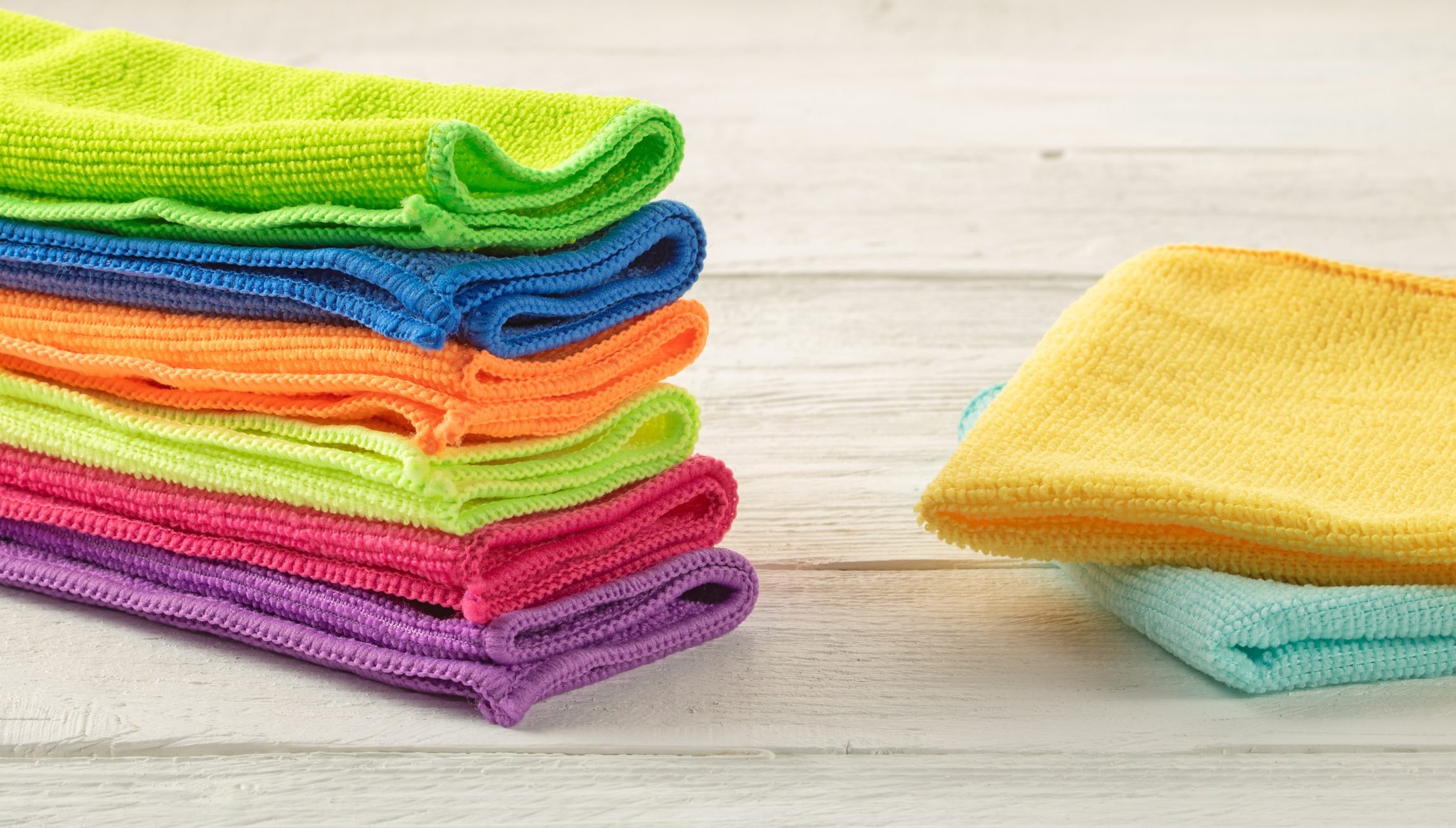
  • Easy Ways to Clean Your Kitchen Using a Microfiber Cleaning Cloth

    Let’s break it to you, but cleaning the kitchen does seem like a never-ending process, huh? You clean the countertops; someone pours coffee on it. You clean the stovetop, and grease splatters all over. But what if I tell you that just shifting this little point in your cleaning round could save you time and effort and might even allow you to enjoy this process a little. Enter the microfiber cleaning cloth—the unsung urban legends for any kitchen. 

    So, if you are rolling your eyes thinking, “Just a cloth,” then hold on. This is not just your dirty rag or regular paper towel. The microfiber cleaning cloth is one step ahead. The best analogy would be that it resembles some kind of cleaning multi-tool with tons of versatility, reliability, and shockingly good performance. 

    Why Cleaning Feels Easier with a Microfiber Cleaning Cloth

    Basically, we are talking about a cleaning cloth with artificial fibers very diligently divided into finer segments than a human hair! Sounds classy, but what does that mean for your kitchen?

    It means this cloth grabs dirt instead of just pushing it around. Grease on the stove? Gone. Smudges on your fridge? History. Crumbs on the counter? Handled. And all this often without any cleaner—just a damp cloth and a bit of elbow grease (which, let’s be real, we all have in limited supply some days).

    I used to go through roll after roll of paper towels. But switching to a microfiber cleaning cloth for kitchen tasks changed the game. Suddenly, I wasn’t tossing money—or trees—into the trash can every time I wiped down the microwave.

    Where to Start: Kitchen Hotspots That Love Microfiber

    If you’re wondering where a microfiber cleaning cloth can be most effective in your kitchen, let’s break it down:

    • Countertops – From spilled juice to bread crumbs, microfiber handles it all in one swipe.
    • Stovetops – Those tricky, greasy corners? A damp microfiber cloth cuts through buildup without scratching.
    • Stainless Steel Appliances – That fridge door covered in fingerprints? Microfiber makes it shine like new.
    • Sinks and Faucets – A quick buff and your sink looks like it’s straight out of a cleaning commercial.
    • Cabinet Doors – They collect more grime than you’d think, especially near the handles. Microfiber to the rescue.

    I keep a stack of cloths under the sink, ready to go. Trust me—once you get used to it, you’ll wonder how you ever managed without your kitchen cleaning cloth microfiber companion.

    Reusable, Washable, and Kind to Your Wallet

    One of the biggest reasons I made the switch? These clothes are reusable. A good kitchen cleaning cloth reusable option can be thrown in the wash hundreds of times without losing its cleaning power. It’s sustainable and saves money—what’s not to love?

    Every time I throw a dirty microfiber cleaning cloth into the laundry instead of the trash, I feel like I’m giving a little nod to both my budget and the planet.

    And bonus: They dry quickly. You won’t end up with that weird mildewy smell that some sponges get. You know the one.

    Tips for Getting the Most Out of Your Microfiber Cloth

    To keep your microfiber cleaning cloth for kitchen tasks running smoothly, a little care goes a long way. Here’s what I’ve learned over time:

    • Avoid fabric softeners. They can coat the fibers and make them less effective.
    • Wash with other microfiber items or lightweight fabrics. Heavy towels can break down the fibers.
    • Air-dry when possible. If you must use a dryer, go low heat. High heat damages the cloth.
    • Color-code by area. I use one color for the kitchen, another for the bathroom. It just makes sense.

    These small habits help preserve the magic of the best microfiber cloth for kitchen cleaning tasks—because yes, not all microfiber is created equal.

    Choosing the Best Microfiber Cloth for Kitchen Use

    So how do you pick the right one? Look for tightly woven cloths with a bit of plushness—those are usually more absorbent and effective. The best microfiber cloth for kitchen use should be lint-free, streak-free, and sturdy enough to handle tough messes.

    I recommend having at least 5–6 on hand, so you always have a clean one ready. Spilled pasta sauce waits for no one.

    It’s a Small Change, But It Feels Big

    There’s something oddly satisfying about wiping down a counter and seeing it sparkle. It feels…accomplished. Maybe even a little victorious.

    Using a kitchen cleaning cloth microfiber style that works this well makes everyday chores a bit less chore-like. And honestly, I’ll take any small win I can get.

    Cleaning might not ever be glamorous, but with the right tools—like a good microfiber cleaning cloth—it can at least be efficient, eco-friendly, and dare I say…enjoyable?

    Final Thoughts: Tiny Cloth, Big Impact

    Less scrubbing means more enjoyment of your space (or time to catch up on that show the world is raving about)! No, the microfiber cleaning cloth isn’t a life changer overnight, but it sure makes everything just a little bit quicker, easier, and a whole lot less frustrating.

    Keep a whole bunch of kitchen cleaning cloth reusable options on standby that you can pull for everyday spills or deep cleaning in preparation for guests; you can’t go wrong!

    Try it once, and you might just become that person who raves about their microfiber cleaning cloth at dinner parties. And honestly? No shame in that.

    For more smart cleaning tips and must-have tools like the microfiber cleaning cloth, visit our website blogsbuddy today!

  • Simple Self-Care Practices to Add to Your Daily Routine

    Self-care is not correlated to bubble baths or an occasional spa day. It is really a full-time commitment to maintaining your physical, emotional, and mental integrity. In the rapidly moving lanes of life nowadays, setting time for some reliable system of self-care incorporated into your daily routine could never be more relevant. These practices could help one feel much more balanced, productive, and rooted, albeit on a busy day. 

    This blog investigates some beneficial yet sustainable self-care practices to promote mental health, physical wellness, and emotional balance. Whether you are just starting your self-care journey or are seeking to amp up your current practices, all the following actions are simple but very effective in daily life.

    Why Self-Care Practices Is Important

    When was the last time, on purpose, that you felt good about doing something just for yourself without feeling even a twinge of guilt? This is the first step in valuing self-care. That’s how much people regard rest as laziness. But knowing why self-care is important gives meaning to that; self-care helps people stave off burnout, relieve stress, enhance relationships, and generally improve one’s mood. In other words, it is vital to:

    • Mental clarity and emotional resilience
    • Physical health and body awareness
    • Improved sleep, energy levels, and productivity
    • Long-term mental wellness

    Making self-care practices a daily routine turns out to be one of the best investments you can make in yourself.

    Morning Self-Care Practices to Start Your Day Right

    Your morning sets the tone for the rest of the day-simple morning self-care activities that help you calm your mind and bring your focus on the sunny side of life.

    1. Mindful Breathing or Meditation

    with 5-10 minutes of retraining deep breathing, or mindfulness, to eliminate anxieties while improving focus-making it the best practice of self-care to maintain mental health, amongst others.

    2. Hydrate Before You Caffeinate

    Drink that first glass of water to fill your mouth first thing in the morning. It has been discovered that staying hydrated boosts metabolism and self-care practices by the body and its overall functioning. 

    3. Stretch or Move Your Body

    Movement improves circulation and mood. Whether it’s a routine yoga practice or a brisk walk, it’s part of morning movement-a very important self-care activity.

    Midday Self-Care Practices for Mental Health

    That’s definitely the busiest part of the day. But with just a little reflection time, you will surely boost your productivity and improve your well-being.

    1. Take a screen Break 

    Step back from your phone or your computer for five short minutes. There is enough screen fatigue to block concentration and decrease energy.

    2. Have a Nutritious Meal 

    A nourishing lunch balances the brain activity and energy levels. Mindful eating becomes one of the most neglected self-care acts of the self towards the body.

    3. Go Outside. 

    Open up that window even for just 10 minutes, and you have fresh air in which to refresh your outlook and decrease your cortisol.

    Through minor self-care strategies, they really mean a lot in how well you can carry yourself through the rest of the day.

    Evening Self-Care Practices for Wind-Down and Reflection

    As the day may wind down in general, it is time to change the gears from productivity towards relaxation. Having a healthy evening routine can help in improving sleep and rejuvenating energy.

    1. Digital Detox

    Turn off screens at least 30 minutes before bed. The reduction in blue light should allow a better production of melatonin in the body.

    2. Journaling or Gratitude Practice

    Writing about the day’s events or things that have really brought joy could make your mind easier and enhance mental wellness.

    3. Gentle Care of the Body

    Skincare or warm baths all add up to treating the body through small routines that emphasize the value of self-care practices.

    Self-Care Practices for the Body

    Caring for your physical health is essential. Here are some easy self-care practices for the body that you can include daily:

    • Regular exercise (even light activity like stretching or walking)
    • Balanced nutrition with whole, unprocessed foods
    • Drinking enough water throughout the day
    • Getting 7–9 hours of sleep regularly
    • Routine health checkups and preventive care

    Your body carries you through life. Treating it with care is not optional—it’s foundational.

    Emotional and Mental Self-Care Practices

    Just like the physical, your mental and emotional health deserve attention. Below is a list of several excellent mental health selfcare practices:

    • When it is necessary, therapy or counseling.
    • Setting boundaries with toxic individuals or situations.
    • Saying no without guilt.
    • Creative expression in drawing, music, or writing.
    • Practicing self-compassion during hard times.

    Knowing why self-care is important means knowing when to pause and guard your tranquility.

    Customizing Your Routine with Self-Care Tips

    Usages, lifestyles, and purposes differ from one person to another. What might work for one person might not work for another. The main thing is to find self-care practices that feel natural and doable in your routine.

    Questions to Ask Yourself:

    • What makes me feel calm and grounded?
    • What things drain my energy that I need to ease or eliminate? 
    • What are three personal activities I could consciously add to every day? 

    Begin with baby steps, then progress. Even giving yourself one deliberate minute is better than none at all.

    Making Self-Care a Lifestyle, Not a Task

    The greatest gift of self-care is that it puts you at the center of that process. You decide every day how you treat yourself, in contrast to external stressors.

    Building self-care routines for the body and mind into your way of living does not just serve to mitigate stress; it serves to allow you to thrive in the face of it.

    Conclusion: Daily Self-Care Is the Best Investment in You

    Time put into consistently practicing self-care sets a foundation for a healthy and happy life. Hydration, rest, contemplation, and forging emotional support-given these are just some of the habits that contribute sustenance towards long-term wellness.

    Whether the focus is on enhancing selfcare practices for mental health or concentrating on physical well-being, every little thing counts. When all is said and done, the relationship you conduct with the self is the gauge on which everything else hinges.

    For more insightful blogs and wellness guidance, visit our website Blogsbuddy and explore our complete collection on self-care and mental wellness.

  • 10-Minute Meditation Routine You Can Do Anywhere

    Modern life is full of speed, with more work commitments, errands to run, and digital distractions. At times, it feels just like one is caught in a big hole of confusing work. Yet, taking just 10 minutes a day to practice meditation routine can increase one’s mental clarity, bring emotional balance, and refine the whole personality. This blog will introduce a meditation routine that’s quick, effective, and can be done anywhere-no high-tech gadgets or serene mountaintops required. Newcomers to mindfulness will find sustenance in these practices, as will practitioners seasoned in mindfulness who are looking for shorter, a bit more convenient practices. These meditation routine are all geared at resetting, recharging, and re-centering you.

    Why 10 Minutes Meditation Routine  Is Enough

    You spend hours meditating in silence sitting still, but science has proven quite the opposite about even short intervals of meditation. Just 10 minutes each day can:

    • Reduce anxiety and stress
    • Improve focus and productivity
    • Lower blood pressure
    • Enhance mood and emotional regulation

    These short but powerful practices make it easier to build a meditation daily routine that fits into even the busiest lifestyle.

    1. Breathing Meditation for Focus

    One of the most simplest and effective methods of meditation is focused breathing. That brings your attention to the breathing aspect and focuses the mind. 

    How to Do It:

    • Sit or lie down comfortably.
    • Close your eyes and inhale deeply through your nose for 4 seconds.
    • Hold your breath for 2 seconds.
    • Exhale slowly through your mouth for 6 seconds.
    • Repeat for 10 minutes, focusing only on your breath.

    This practice is especially helpful when your thoughts feel scattered or you’re struggling to concentrate.

    2. Body Scan Meditation

    If you are feeling more stressed this activity will encourage you to focus on your body to release tension and feel more present. 

    Routine:

    • Find a quiet place to sit or lie. 
    • Close your eyes, and begin to take a few deep breaths.
    • Bring attention to the crown, the top of the head. Slowly take the focus down the body (forehead, neck, shoulders, etc.) down to the toes. 

    Notice the sensations without judgment and breathe into any tense areas. This body scanning would be a great complement to your daily meditation practice, especially after a long day or before going to bed. 

    3. Walking Meditation: 

    Walking can also be meditative. It does sound like an interesting idea for bringing some mindfulness down on a busy day.

    What’s Next: 

    • Find a quiet space or path to take steps to select. 
    • Walk slowly and pay attention to the sensation of its touch with the ground on its feet. 
    • Steps to breath sync. The sights and sounds of the outside world are seen, heard, and smelled around you. 

    This is by far the most flexible of the meditation routine, and it lends itself beautifully to a lunch break or a commute. 

    4. Guided Meditation with Anxiety

    When anxious thoughts become too much to bear, a guided meditation for anxiety is perfect to relieve the overwhelming feeling. 

    How To Do It: 

    • Get a ten-minute guided anxiety meditation routine from a meditation application like Headspace or Calm. 
    • Plug in your headphones, sit back, and follow the speaker’s directions. 
    • Focusing on their voice and visualization will bring it home. 

    Most effective when you’re too overwhelmed to ever guide yourself. 

    5. Gratitude Meditation Routine: 

    Gratitude is the quickest mood lifter, shifting focus from the lack of something to being thankful. 

    How To Do It: 

    • Sit comfortably and close your eyes. 
    • Take deep breaths and think about three things for which one might be thankful. 
    • Imagine them one at a time and spend 2-3 minutes reflecting on how they enrich one’s life. Breathe in with a smile, full of joy. 

    Including it in your meditation scheduling can help in long-term emotional flexibility. 

    6. Loving-Kindness Meditation: 

    The heart-centered practice increases empathy and compassion to yourself and to others. 

    How to Perform: 

    • Sit comfortably and close your eyes. 
    • Say silently: “May I be happy. May I be healthy. May I be safe. May I live with ease.” 
    • Extend the same wishes to someone you love; then to someone neutral; and finally to someone whom you find difficult. 

    This is one of the most powerfully built meditative practices toward personal and universal transformation. 

    7. Visualization Meditation 

    Use your imagination to seal relaxation and inspire your goals with meditation routine. 

    How to Perform: 

    • Close your eyes and picture a spot that makes you feel peaceful (a beach, an empty forest, etc.). 
    • Use all the senses-what do you see, hear, feel? 
    • Alternatively visualize how you see yourself achieving a goal or completing a task with confidence and accomplishment. 

    Visualization is a nice thing to add to your meditation schedule to keep you inspired and less stressed. 

    8. Mindful Listening Meditation 

    This is the specialty of sound awareness on this meditation mindfulness exercises in reflection. 

    How to Do: 

    • Get in a quiet space or don headphones. Listen to soft music or just sit with meaningful ambient sounds. 
    • Focus wholly on the sound without labeling or analyzing them. As soon as your mind wanders again, redirect it. 

    Best suited for auditory learners or when silence is too deafening. 

    9. Mantra Meditation Routine. 

    Repeating a soothing word or phrase draws attention and sometimes deepens one’s experience. 

    How to do it:

    • Mantra meditation is sitting comfortably and choosing a simple word like “peace,” “love,” or “calm.”
    • Then whisper it into itself in time with every breath for 10 minutes. 
    • When it strays, softly return to the mantra.

    Add this to your meditation daily routine to boost focus and inner stillness.

    10. Mindful Journaling Meditation

    While not traditional, writing can be deeply meditative and clarifying.

    How to Do It:

    • Set a timer for 10 minutes.
    • Write freely about your thoughts, emotions, or a specific intention.
    • Let go of grammar or structure—just flow.

    This is a grounding meditation routine that works well in the morning or before sleep.

    Creating Your Personalized Meditation Schedule

    With so many options, how do you build the right meditation schedule? Here’s a sample weekly plan:

    DayMeditation Type
    MonBreathing Meditation
    TueBody Scan
    WedGuided Meditation (Anxiety)
    ThuGratitude Meditation
    FriWalking Meditation
    SatLoving-Kindness
    SunMindful Journaling

    Rotate or combine practices to suit your mood and needs.

    Final Thoughts

    These few meditation routine prove that peace, clarity, and focus are always within our reach even during busy days. Anyone dealing with anxiety or stress or in need of a quick break will find that 10 minutes can set the whole mindset for the day. After practicing these meditation exercises for anxiety, and meditation exercises for stress, and focus regularly, they will become an overall lifestyle for you.

    Are you ready to make mindfulness a habit? Pick a practice, set your timer, and away you go! You and your life shall thank you for it.

    Try these meditation routines and notice the shift. For more such blogs, visit our website: myblogs.blogsbuddy.com/

  • Your Step-by-Step Gym Guide for Total Body Transformation

    Embarking on making fitness in your life can seem overwhelming if you have never begun. Gym Guide will be your master key toward the complete body transformation when exercising, depending on whether you are a beginner in a fitness lifestyle or an advanced trainer. From designing workouts to setting goals and tracking progress, this complete gym workout guide for beginners, women, and men breaks down all you need to know.

    Why You Need a Gym Guide

    With a structured gym guide, one eliminates guesswork and minimizes injury risks while maximizing results. All too often, people enter the gym without any clear-cut plan. Inconsistency is the rule; results are scant. A specified guide holds every exercise accountable to certain goals: fat loss, strength building, or increased stamina.

    Benefits of Following a Gym Guide:

    • Helps set realistic and achievable goals
    • Ensures balanced development (no skipping leg day!)
    • Boosts motivation and consistency
    • Reduces the likelihood of injury through proper technique
    • Tracks your progress over time

    Gym Workout Guide for Beginners

    First and foremost, do the basics while keeping an eye on the goal. The gym workout guide for beginners should focus on learning and improving form, building consistency, and developing the fitness habit.

    Week 1-4: Foundation Phase

    Day 1: Full Body Workout

    • Squats – 3 sets of 10 reps
    • Push-ups (knee variation if needed) – 3 sets of 8-10 reps
    • Dumbbell Rows – 3 sets of 10 reps
    • Plank – 3 sets of 20 seconds

    Day 2: Rest or Light Cardio

    Day 3: Upper Body Focus

    • Shoulder Press – 3 sets of 10 reps
    • Lat Pulldown – 3 sets of 10 reps
    • Dumbbell Curls – 3 sets of 12 reps
    • Tricep Pushdowns – 3 sets of 12 reps

    Day 4: Rest

    Day 5: Lower Body Focus

    • Leg Press – 3 sets of 10 reps
    • Lunges – 3 sets of 10 reps per leg
    • Hamstring Curls – 3 sets of 12 reps
    • Calf Raises – 3 sets of 15 reps

    Day 6 & 7: Optional Cardio or Active Recovery

    Stick with this beginner routine for a month while focusing on form and breathing. Don’t rush the process—progress will come with time and consistency.

    Gym Workout Guide for Women

    Unique goals for women include toning, fat loss, and glute building. This gym workout guide for women lays emphasis on full-body sculpting and strengthening with a slight metabolic burn in mind.

    Weekly Routine

    Day 1: Lower Body

    • Hip Thrusts – 4 sets of 12
    • Bulgarian Split Squats. – 3 sets of 10 per leg
    • Glute Kickbacks. – 3 sets of 15
    • Deadlifts – 3 sets of 8

    Day 2: Upper Body & Core

    • Incline Dumbbell Press. – 3 sets of 10
    • Seated Row. – 3 sets of 12
    • Lateral Raises. – 3 sets of 15
    • Russian Twists. – 3 sets of 20

    Day 3: Cardio or Active Rest

    Day 4: Full Body Strength

    • Squats – 4 sets; of 10
    • Push-ups – 3 sets failure
    • Kettlebell Swings – 3 sets of 15
    • Plank with Shoulder Taps – 3 sets of 20

    This Gym Guide for women combines strength training with functional movements to enhance toning and overall fitness.

    Gym Workout Guide for Men

    One of the main reasons why a male gym-goer would be swiping his membership card is muscle growth. This guide that is intended for men in the gym includes multi-joint compound lifts complemented by isolations for hypertrophy and strength training.

    Weekly Split

    Day 1: Chest & Triceps

    • Bench Presses – 4 sets of 8
    • Incline Dumbbell Press – 3 sets of 10
    • Triceps Dips – 3 sets to failure
    • Cable Flyes – 3 sets of 12

    Day 2: Back & Biceps

    • Pull-Ups – 3 sets 
    • Barbell Rows – 4 sets of 8
    • Dumbbell Curls – 3 sets of 12
    • Face Pulls – 3 sets of 15

    Day 3: Legs

    • Squats – 4 sets of 8
    • Leg Press – 3 sets; of 10
    • The Romanian Deadlift- Set for 3 reps; of 10. 
    • Seated Calf Raises- 3 sets; of 20. 

    Day 4: Shoulders & Abs

    • Overheads Press-4 sets; of 8 reps 
    • Lateral Raises- 3 sets; of 15 reps.
    • Front Raises – 3 sets of 12
    • Hanging Leg Raises – 3 sets of 15

    This split enables men to hit each muscle group effectively while allowing for proper recovery—a key focus of any effective Gym Guide.

    Key Tips to Maximize Your Gym Guide

    1. Track Your Progress – For instance, maintain a diary or use an application to keep records of workouts, weights, and reps.
    2. Stay Hydrated- Water sustains energy and muscle power.
    3. Prioritize Form Over Heavier Weights- Injury is avoided through focusing on technique.
    4. Feed Your Body- A healthy, balanced diet contains adequate protein, carbohydrates, and healthy fats.
    5. Rest and Recover- Recovery is just as much a part of training as exercise, so set aside 1-2 rest days each week.

    The Role of Cardio in Your Gym Workout

    While strength training builds muscle, cardio enhances heart health, endurance, and fat burning. Integrate 2–3 cardio sessions a week:

    • Treadmill walking or running
    • Rowing machine
    • HIIT circuits
    • Stairmaster

    Mixing cardio with resistance training boosts metabolism and supports long-term transformation, aligning perfectly with any serious Gym Guide.

    Consistency Over Perfection

    The best gym guide is always the one you’re free to use. Missing a session or cheating on a meal makes no difference in your progress; the long-term habit of coming and putting in your best effort is what’s important. So hang on, true and cool, because a transformation will soon come.

    Final Thoughts

    This Gym Guide is your roadmap to your stronger, healthier, and more confident self. Follow a gym workout guide for beginners, or choose a gender-specific plan like the gym workout guide for women or gym workout guide for men. The important part is to stay committed. Make your own journey, listen to your body, and enjoy the process. Your transformation starts with one step; take that step today!

    Ready to make fitness a lifestyle? Start today with this Gym Guide and commit to your transformation.For more such blogs, visit our website: myblogs.blogsbuddy.com/

  • Time Management for Parents: Balancing Family, Work, and Personal Life

    In today’s modern version of parenting is not an easy task. Work meetings, school pickups, homework supervision, and household chores occupy the family units, leaving parents juggling too many responsibilities within the day. Time management for parents is the binding culture that keeps these two ends together in life: one for daily survival and the other for thriving as a family unit.

    This blog will talk about some practical strategies, actionable routines, and smart habits that will make time management for parents simpler, more effective, and sustainable. Whether you are a new parent struggling to get it all together in this crazy, messy life or a pro multitasker trying to regain your day, these nuggets will help create more balance in your life.

    Why Time Management for Parents Matters

    The benefits of time management for parents extend beyond just getting things done:

    • Lower stress levels for both parents and children
    • Improved work-life balance
    • More quality time with family
    • Increased productivity at work and home
    • Better self-care and personal well-being

    Learning and applying solid time management allows families to function smoothly while still giving space for individual growth.

    1. Start with a Weekly Plan

    Time management begins with the act of planning ahead of time. Set the stage for a half-hour every weekend to lay out the ensuing week: school functions, corporate deadlines, grocery trips, family entertainment, and personal things to do. 

    Pro tip: Make use of a shared digital calendar, say, Google Calendar, to synchronize events between partners. This visibility ensures that your tasks can be shared fairly.

    2. Prioritize What Really Matters

    Not all things have to be done at the same time. Hence, an effective time management for parents means knowing when to say no. The tasks must then be prioritized according to their urgency and importance, which can be done using either:

    • The Eisenhower Matrix
    • ABC priority lists
    • Time-blocking

    Focus on activities that truly move the needle — both at home and at work — and give yourself permission to let go of perfection in less important areas.

    3. Use Morning and Evening Routines

    Daily routines are the greatest thing to happen to working parents. The morning routine solidly set the tone for the day, while the evening routine gave everybody time to wind down.

    Tips for working parents:

    • Wake up 30 minutes before the kids for “quiet time”
    • Prepare school bags and lunches the night before
    • Set a “power hour” each evening for tidying, planning, or self-care

    These micro-routines are foundational in mastering time management for parents.

    4. Set Realistic Daily Goals

    Don’t overload your to-do list. Aim for 3–5 manageable goals per day. It’s better to complete a few important tasks well than burn out trying to do too much.

    Advice for working parents:

    • Block quiet time for deep work
    • Batch similar tasks (e.g., replying to emails or doing laundry)
    • Build in buffer time for unplanned events

    A realistic schedule increases the chances of staying consistent — a key principle in time management.

    5. Delegate and Share Responsibilities

    Many parents try to do everything themselves, which leads to burnout. Instead, look for ways to delegate tasks:

    • Involve kids with age-appropriate chores
    • Share parenting duties with your partner
    • Outsource tasks like grocery delivery or cleaning, if budget allows

    The benefits of time management for parents amplify when it’s a shared responsibility.

    6. Embrace the Power of “No”

    Do not feel compelled to accept every birthday party invitation or bake for every single school fundraiser. One of the strongest tools in time management for parents is learning to set clear boundaries.

    Saying “no” to certain time-absorbing activities opens up space for those things which matter. At the same time, it models healthy behaviors for your kids: valuing balance and prioritizing mental health.

    7. Use Technology Wisely

    Apps and digital tools can streamline your day:

    • Todoist or Notion for to-do lists
    • Cozi or Trello for family planning
    • Google Calendar for time blocking
    • RescueTime to track productivity

    But be cautious: scrolling through social media can eat away at your time. Use tech to support your productivity, not distract from it.

    8. Set Boundaries for Work Hours

    Tips for working parents include creating a clear separation between work and home life — especially if you work remotely.

    Advice for working parents:

    • Create a designated workspace at home
    • Turn off work notifications after hours
    • Communicate boundaries clearly to your employer and family

    Good boundaries help maintain energy for both roles — one of the overlooked benefits of time management for parents.

    9. Build in “Me Time”

    You can’t pour from an empty cup. It may feel selfish, but anything that puts time for yourself on a calendar- walking, reading, or pursuing a hobby- is essential.

    Time management for family is about balance, and that includes self-care. You will be able to return to the family duties refreshed, and more in the present.

    10. Regularly Reflect and Adjust

    At the end of each week, reflect on what worked and what didn’t.

    Questions to ask:

    • What caused the most stress?
    • Which routine helped save time?
    • What can we improve as a family next week?

    This iterative approach helps build stronger habits and long-term success with time management for parents.

    Final Thoughts

    Balancing family life, work demands, and personal time is an eternal challenge, yet it’s not impossible. Structure, smart planning, and flexibility are the time management audience for parents toward the more harmonious home and fulfilling life. 

    Accept this: changes like effective routines, the sharing of responsibilities, and clearer priorities can really go a long way. These tips will help you to take control of your time and your energy force whether you are a full-time worker, a stay-at-home parent, or just somewhere in the middle.

    For more helpful family hacks and parenting guides, visit our website myblogs.blogsbuddy.com/ and explore smart solutions for time management for parents.

  • The Versatility of a Silk Scarf: Elevating Your Look with One Accessory

    It is probably the most chic and stylish of all accessories as far as timelessness in fashion items goes:  silk scarves. From the vintage age to this time, from Audrey Hepburn to all the celebrities nowadays, the silk scarf proves boldness in making style statements that span decades. As much as this accessory drapes beautifully, it has an amazing rich texture, and it has the kind of luxurious appeal that makes one realize that sometimes less is more, in fact.

    Draped around the neck, tied to a purse, or adorning hair, silk scarf for women add instant flair to any outfit. In this blog, we will explore the ways an accessory imparts multifunctionality, enriches the wardrobe, and offers day-to-day luxuries.

    A Touch of Luxury: Why Choose a Silk Scarf?

    Silk is the softest possible fabric; it gleams in the water and breathes. Pure silk scarves fascinate with their good quality and the control of temperature: in the summer, they keep one cool; in winter, they keep one warm. It touches the skin in such a way that it puts on grace and elegance.

    To add, silk is hypoallergenic and soft, which makes it suitable for very sensitive skin types. Besides, silk neck scarves are not merely fashion accessories but an artfully harmonized combination of beauty and functionality.

    Styling a Silk Scarf: Endless Possibilities

    Another attraction to the silk scarf is its versatility. It does not take a giant wardrobe to make a statement; just a little out-of-the-box thinking and one brilliant scarf will do.

    1. Around The Neck: Classic Chic

    The most classic approach for wearing a silk scarf for women around the neck. Be it chevron tied in front, wrapped once with a loose knot along the length, or draped bazin like a choker. With this, instant sophistication is guaranteed. Do not wear anything else but a white shirt or blazer; it will allow the scarf to do all the talking.

    2. As a Head Wrap or Headband

    Wearing a silk scarf in the hair is modern but also practical. It shields the hair from sun damage or frizz and serves as a lovely accent in your hairstyle. You can:

    • Fold it into a bandana and tie it around your head.
    • Braid it into your hair for a fluffy feel.
    • Turban or full head wrap would give it a strong statement. 

    A silk scarf for hair also protects from breakage and split ends due to its silk smooth surface.

    3. On Your Handbag: Instant Upgrade

    Elegant bright and colorful scarves jewel up your handbag. This attribute is put to good use in giving a sophisticated touch to an accessory and hole-in-the-wall storage use in your neutral or classic handbag. 

    Simple but effective-an accessory may be an important trick often used by stylists and fashion editors. 

    4. As a Belt or Waist Accent

    Want to add feminine flair to your outfit? Much to the effect of how an artist can throw a splash of paint onto his canvas, just thread silk scarves through the belt loops or tie it around the waist over a dress or blouse. This works wonderfully when your outfit has neutral tones or is monochrome since this gives an instant splash of pattern and pizzazz.

    5. Wraps Around Your Wrist or Anklet

    Your silk scarves can double as a wrist accessory. Drape it around your wrist like an eclectic bracelet alternative. And for the really adventurous, tie it around your ankle with a couple of heels or sandals-on a fabulous, offbeat note seen on a lot of runways.

    Pure Silk Scarf vs. Other Scarves

    You may wonder: why invest in pure silk scarves when there are cheaper alternatives? The answer lies in quality, durability, and elegance. Pure silk:

    • Has a natural sheen that synthetic materials can’t mimic.
    • Offers breathability and skin-friendliness.
    • Retains color vibrancy longer.
    • Drapes beautifully on the body.

    While polyester or satin scarves may look similar at first glance, they lack the luxurious touch and long-lasting value of real silk.

    The Rise of the Silk Scarf Designer

    For silk scarves designers, it is about design, texture, and workmanship – the condition of carrying art. At present, both the fashion houses and independent brands are experimenting with the never-ending possibilities of silk scarves. These designer pieces end up being collector’s items or even heirlooms that pass from generation to generation.

    Different scarf designer products suit different characters-from abstract art to floral patterns, geometric shapes to minimalist styles.

    Seasonal Appeal: All-Year Wearability

    Silk scarves are possibly the most underrated accessories when it comes to being appropriate for every season. In colder months, it layers comfortably under coats and sweaters. In warmer months, it becomes a light and breathable ornament not cumbersome at all. Whether it is the office, a laid-back brunch, or simply glamming it up for a classy evening, the silk scarves can make you feel at home.

    Final Thoughts: One Accessory, Unlimited Style

    Investing in silk scarves would be the perfect investment for elevating your wardrobe with just one, because it ranks in the top tier of pieces when most people evaluate accessories in terms of performance, usefulness, and adaptability. Not only does a pure silk scarves offer luxurious comfort, but a designer piece can also easily turn into an expression of self-style.

    If you wear a silk scarf for hair, wear it around your neck, or tie it to your favorite bag, no matter how you use it, one thing is certain-you are going to be turning heads and setting trends.

    For more insightful blogs like this, visit our website myblogs.blogsbuddy.com/ and stay ahead in your fashion journey.